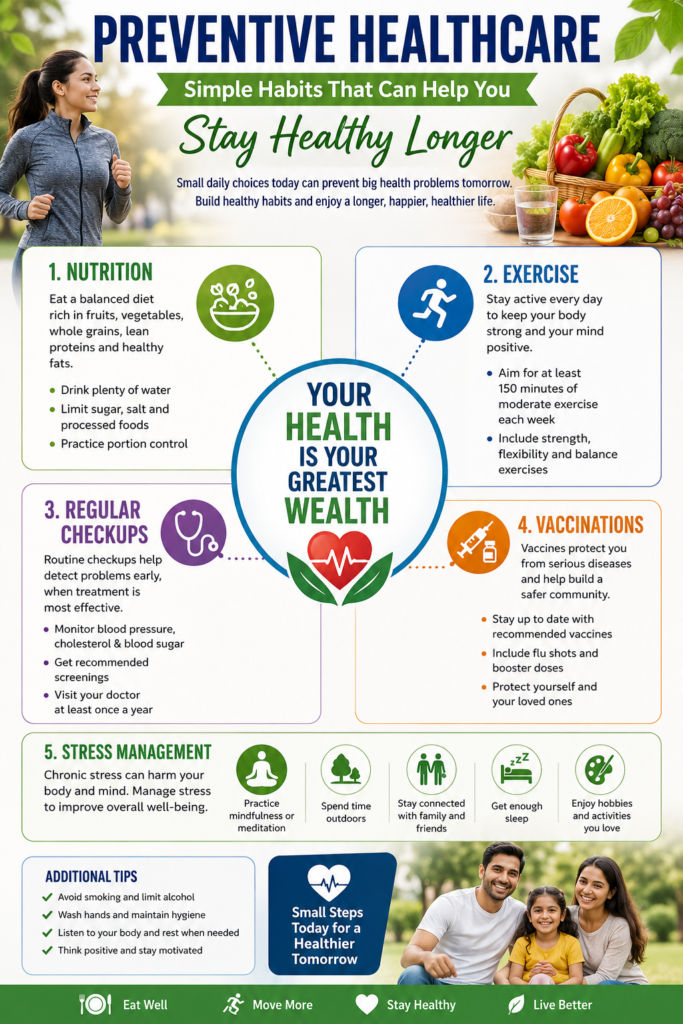
Introduction: Weight Management Is About Health, Not Punishment ❤️
Healthy weight management does not require starvation, complicated meal rules, exhausting workouts, or eliminating every food you enjoy. A sustainable approach is built around habits that support your health while still allowing you to enjoy food and live a normal life.
For many people, the biggest challenge isn’t knowing that vegetables, exercise, and sleep are important. The real challenge is turning healthy choices into habits that can be maintained when life gets busy. Work, family responsibilities, celebrations, travel, stress, and social occasions can all affect eating and activity patterns.
That’s why an extreme diet may not be the best answer. A plan that works for two weeks but becomes impossible to follow afterward isn’t a sustainable solution. Instead, healthy weight management should focus on gradual, realistic changes that fit your lifestyle.
A healthy eating pattern generally emphasizes nutrient-dense foods such as vegetables, fruits, whole grains, protein foods, and healthy fats while limiting excessive added sugars, sodium, saturated fats, and highly processed foods. (CDC)
The objective isn’t perfection. It’s consistency.
Whether your goal is to lose weight, maintain your current weight, or simply improve your relationship with food, the principles are similar: eat nourishing foods, stay physically active, sleep well, manage stress, and develop habits you can continue for the long term. 🌱
🥗 1. Forget the “All-or-Nothing” Diet Mentality
One of the biggest problems with extreme dieting is the all-or-nothing mindset.
Someone might decide:
“Starting Monday, I’ll never eat sweets again.”
Or:
“I’ll completely eliminate carbohydrates.”
For a few days, the person may follow the rules perfectly. But eventually, cravings, hunger, social situations, or simple tiredness can make the diet difficult to maintain.
After eating something considered “forbidden,” the person may feel guilty and decide that the diet has failed. This can lead to overeating and another attempt to start over.
This cycle can be exhausting.
A more sustainable mindset is:
“I don’t need to eat perfectly. I need to make healthy choices most of the time.”
That small change in thinking can make healthy eating much easier.
Instead of banning dessert, enjoy a reasonable portion occasionally. Instead of eliminating rice or bread, consider portion size and choose whole-grain options when practical. Instead of promising to exercise every day, establish a realistic routine that you can actually maintain.
Healthy weight management is not a competition. It’s a long-term process.
The goal is consistency, not perfection
Imagine someone who eats a nutritious breakfast, lunch, and dinner for six days but has a restaurant meal on Saturday.
That doesn’t erase the other six days.
Likewise, missing one workout doesn’t mean you’ve abandoned exercise.
The important question is not:
“Did I follow my plan perfectly today?”
A better question is:
“What healthy choice can I make next?”
That approach encourages progress instead of guilt.
🍎 2. Build Meals Around Nutrient-Dense Foods
A healthy diet isn’t simply about eating less. It’s also about getting enough nutrition from the food you eat.
Nutrient-dense foods provide vitamins, minerals, fiber, protein, and other useful nutrients without relying heavily on added sugars or highly processed ingredients.
Good choices can include:
- 🥦 Broccoli, spinach, carrots, cabbage, cauliflower, and other vegetables
- 🍎 Apples, oranges, berries, bananas, guava, and other fruits
- 🌾 Oats, brown rice, whole-wheat bread, millet, quinoa, and other whole grains
- 🫘 Beans, lentils, chickpeas, peas, and other legumes
- 🥚 Eggs
- 🐟 Fish and seafood
- 🍗 Lean poultry and other protein-rich foods
- 🥛 Plain yogurt and other nutritious dairy foods
- 🥜 Nuts and seeds
- 🫒 Healthy oils in moderate amounts
The CDC recommends a varied eating pattern emphasizing vegetables, fruits, protein foods, whole grains, healthy fats, and dairy foods without added sugars.
Think about food quality, not just calories
Calories matter for body weight, but food quality matters for overall nutrition.
For example, two snacks may contain a similar number of calories while providing very different amounts of fiber, protein, vitamins, and minerals.
Replacing some highly processed snacks with fruit, yogurt, nuts, vegetables, or other nutrient-rich foods can make meals more satisfying and nutritious.
However, this doesn’t mean that every processed food must disappear from your kitchen.
The goal is balance.


🍽️ 3. Use a Simple Balanced-Plate Method
You don’t have to calculate every calorie to create a healthier meal.
One practical approach is to build your plate around several food groups.
A simple meal could include:
Vegetables + protein + whole-grain or starchy carbohydrate + a moderate amount of healthy fat.
For example:
Breakfast
Oatmeal with fruit, yogurt, and a small serving of nuts.
Lunch
Dal with vegetables, roti or brown rice, and plain yogurt.
Dinner
Grilled fish or paneer with vegetables and a moderate serving of rice or potatoes.
Snack
Fruit with yogurt, roasted chickpeas, or a small portion of nuts.
The exact portions depend on individual needs, hunger, activity level, cultural preferences, and health goals.
The NHS similarly recommends including vegetables, protein, and wholegrain starchy foods as part of healthier meals, while keeping higher-calorie fats and spreads in moderate amounts. (nhs.uk)
Make vegetables the star of the plate 🥦
Vegetables can be especially useful because many are relatively low in calories while providing fiber, water, vitamins, and minerals.
Adding vegetables can increase the volume of a meal without requiring large amounts of calorie-dense ingredients. The CDC notes that the water and fiber in fruits and vegetables can add volume and help people feel fuller while consuming fewer calories. (CDC)
Try adding:
- Spinach to eggs
- Tomatoes and onions to sandwiches
- Mixed vegetables to rice
- Cucumber and carrots to lunch
- Broccoli or cauliflower to dinner
- Beans or chickpeas to salads
- Seasonal fruit to breakfast
Small additions can become significant habits over time.
💪 4. Include Protein in Your Meals
Protein is an important component of a balanced diet.
It can come from both animal and plant sources, including eggs, fish, poultry, dairy foods, beans, lentils, chickpeas, soy products, nuts, and seeds.
Including protein as part of meals can also make them more satisfying.
For example, compare:
Breakfast A: Sugary drink and a small pastry.
Breakfast B: Oats with yogurt, fruit, and nuts.
The second meal provides a combination of protein, fiber, carbohydrates, and fats that can make it more substantial.
This doesn’t mean carbohydrates are bad. Instead, balanced meals combine different nutrients.
Easy protein ideas
If you’re vegetarian:
- Dal
- Rajma
- Chickpeas
- Paneer
- Tofu
- Soy products
- Greek or plain yogurt
- Milk
- Nuts and seeds
If you eat animal foods:
- Eggs
- Fish
- Chicken
- Lean meats
- Yogurt
- Seafood
You don’t need expensive supplements or specialized foods to build a nutritious eating pattern.
🌾 5. Don’t Be Afraid of Carbohydrates
Carbohydrates are frequently blamed for weight gain, but the reality is more nuanced.
Foods such as oats, whole grains, potatoes, rice, fruits, and legumes can be part of a healthy eating pattern.
The more useful question is:
What type of carbohydrate am I eating, how much am I eating, and what else is on my plate?
Whole grains and fiber-rich carbohydrate sources can provide valuable nutrients and contribute to a satisfying meal.
Instead of automatically eliminating rice, bread, or potatoes, consider:
- Choosing whole-grain options when practical
- Keeping portions appropriate for your needs
- Combining carbohydrates with protein and vegetables
- Limiting highly sugary foods and drinks
- Paying attention to hunger and fullness
You don’t have to fear a particular food group to manage your weight successfully.
🥑 6. Healthy Fats Still Have a Place
Fat is another nutrient that often gets misunderstood.
Healthy eating doesn’t mean removing all fats.
Foods such as nuts, seeds, avocado, olive oil, and some fish provide fats that can be part of a balanced diet.
At the same time, fats are energy-dense, so portions matter.
A handful of nuts can be nutritious, but eating several handfuls without noticing can add substantial energy to your day.
The same principle applies to oils, nut butters, dressings, and spreads.
The goal isn’t:
“No fat.”
The goal is:
“Choose nutritious sources and use sensible portions.”
💧 7. Make Water Your Everyday Drink
Liquid calories can sometimes be easy to overlook.
Soft drinks, sweetened coffee beverages, energy drinks, fruit-flavored drinks, and other sugary beverages can add substantial amounts of sugar and calories without making you feel as satisfied as a balanced meal.
Water is therefore an excellent everyday choice for most people.
You can make water more interesting by adding:
🍋 Lemon
🥒 Cucumber
🌿 Mint
🍊 Orange slices
🫐 Fresh berries
Unsweetened tea can also be an option.
This doesn’t mean you can never enjoy another beverage. Instead, make water your regular choice and treat sugary drinks as occasional rather than automatic.
🍽️ 8. Learn Portion Awareness Without Obsessing
Portion control doesn’t have to mean weighing every bite.
You can start by becoming more aware of serving sizes.
Try these simple strategies:
Use smaller serving dishes
A smaller plate can make a moderate serving look more satisfying.
Serve food rather than eating directly from the package
Eating directly from a large packet can make it difficult to notice how much you’ve consumed.
Eat slowly
Give yourself time to enjoy your meal.
Pause before getting seconds
Ask yourself whether you’re still hungry or simply continuing because the food is available.
Reduce distractions
Eating while watching television or scrolling through your phone can make it easier to eat without paying attention.
The goal isn’t to become obsessed with portions.
It’s to become more aware of them.
🧠 9. Practice Mindful Eating
Mindful eating means paying attention to what you’re eating and how you’re feeling while you eat.
Before eating, ask:
“Am I physically hungry, or am I eating because I’m bored, stressed, tired, or simply because food is available?”
Sometimes the answer will be genuine hunger.
Other times, you might discover another need.
If you’re stressed, perhaps a short walk would help.
If you’re tired, perhaps rest is what you need.
If you’re bored, perhaps a hobby or conversation could provide stimulation.
This doesn’t mean emotional eating is “bad.” Food naturally plays a role in celebrations, comfort, culture, and social connection.
The goal is simply to understand your habits better.
🚶 10. Make Movement Part of Your Lifestyle
Exercise doesn’t have to be punishment for eating.
Physical activity should be viewed as something that supports your body, heart, muscles, mobility, mood, and overall health.
Walking is one of the simplest ways to become more active.
You can:
- Walk after meals
- Walk to nearby destinations
- Take stairs when appropriate
- Walk while talking on the phone
- Go for an evening walk
- Explore a local park
- Walk with family or friends
If you’re new to exercise, begin gradually.
A 15-minute walk may be more sustainable than promising yourself an intense one-hour workout every day.
The Cleveland Clinic’s walking guidance similarly emphasizes starting gradually and increasing walking time and frequency as fitness improves.


🏋️ 11. Add Strength Training
Strength training deserves a place in a healthy weight-management plan.
Exercises such as squats, lunges, push-ups, resistance-band exercises, and weight training can help develop and maintain muscle strength.
You don’t necessarily need a gym.
Depending on your fitness level, bodyweight exercises can provide a useful starting point.
A simple routine might include:
- Squats
- Wall push-ups
- Glute bridges
- Step-ups
- Resistance-band rows
- Light dumbbell exercises
Start at an appropriate level and focus on good technique.
If you have an injury, medical condition, or significant limitation, speak with an appropriate healthcare professional before starting a new exercise program.
😴 12. Sleep Is Part of Weight Management
Food and exercise receive most of the attention when people discuss weight, but sleep deserves consideration too.
When you’re exhausted, maintaining healthy routines can become harder. You may have less energy for exercise, find meal preparation more difficult, or experience changes in appetite and food choices.
Developing a consistent sleep routine can therefore support your broader health goals.
Try:
🌙 Going to bed at a consistent time
📱 Reducing unnecessary screen use before bed
☕ Avoiding excessive caffeine late in the day
🛏️ Keeping your bedroom comfortable
📖 Creating a relaxing bedtime routine
You don’t need a perfect nighttime routine.
Even a few consistent habits can help.
🧘 13. Manage Stress Without Using Food as Your Only Coping Strategy
Stress is part of everyday life.
Work deadlines, financial responsibilities, family situations, relationship challenges, and other pressures can affect eating patterns.
Some people eat less when stressed. Others eat more, especially highly palatable foods.
Rather than trying to eliminate stress completely, develop multiple ways of managing it.
Try:
- Deep breathing
- Walking
- Stretching
- Meditation
- Journaling
- Music
- Reading
- Talking to someone you trust
- Spending time outdoors
- Practicing a hobby
The goal is to build a toolbox of healthy coping strategies.
🍫 14. You Can Still Enjoy Your Favorite Foods
One of the biggest differences between sustainable eating and extreme dieting is flexibility.
You don’t have to completely eliminate pizza, chocolate, desserts, restaurant meals, or other favorite foods.
Instead, enjoy them intentionally.
For example:
Instead of eating an entire package of cookies while distracted, place a reasonable serving on a plate and enjoy it.
Instead of deciding that restaurant food is “forbidden,” choose a meal you enjoy and balance it with vegetables or another nutritious option.
Instead of thinking:
“I ruined my diet.”
Think:
“I enjoyed a meal. Now I’ll return to my normal routine.”
This approach removes unnecessary guilt.
🛒 15. Create a Healthy Food Environment
Your surroundings influence your habits.
If nutritious foods are easy to access, you’re more likely to eat them.
Try keeping convenient options available:
🍎 Fresh fruit
🥕 Pre-cut vegetables
🥛 Plain yogurt
🥚 Boiled eggs
🫘 Roasted chickpeas
🥜 Nuts in sensible portions
🌾 Oats
🥗 Salad ingredients
At the same time, you don’t need to ban less nutritious foods from your home.
Simply make healthier options easier to reach.
Prepare before you’re hungry
Meal planning can also help.
The CDC recommends planning meals and choosing nutritious options both at home and in other eating environments. (CDC)
You might prepare:
- A batch of dal
- Cooked vegetables
- Brown rice or another grain
- Boiled eggs
- Chopped salad ingredients
- Washed fruit
- Homemade yogurt-based snacks
Preparation reduces the temptation to rely on whatever is quickest when you’re extremely hungry.
📅 16. Build a Weekly Routine Instead of a Perfect Diet
Rather than creating an impossible daily schedule, think about your week as a whole.
For example:
Monday
🥗 Balanced meals
🚶 30-minute walk
Tuesday
🥗 Balanced meals
🏋️ Strength workout
Wednesday
🥗 Balanced meals
🚶 Easy walk
Thursday
🥗 Balanced meals
🏋️ Strength workout
Friday
🥗 Balanced meals
🚶 Walk or recreational activity
Saturday
🍕 Enjoy a favorite meal mindfully
🚶 Outdoor activity
Sunday
🥗 Meal preparation
😴 Recovery and rest
This is only an example.
Your routine should reflect your schedule, fitness level, preferences, and individual needs.
📊 17. Track Progress Beyond the Scale
The weighing scale is only one possible measure of progress.
Other signs may include:
- Better energy
- Improved stamina
- Greater strength
- More consistent meals
- Better sleep
- Improved fitness
- Increased confidence
- More vegetables in your diet
- Less reliance on sugary beverages
- Greater awareness of hunger and fullness
Body weight naturally fluctuates.
A change from one day to another doesn’t necessarily represent a change in body fat.
Instead of becoming emotionally attached to every number, look at longer-term patterns.
⚠️ 18. Be Careful With Extreme Diet Claims
Be skeptical of programs promising things such as:
❌ “Lose 10 kg in two weeks.”
❌ “Never eat carbohydrates again.”
❌ “This one food melts belly fat.”
❌ “You don’t need exercise.”
❌ “Eat unlimited amounts of this special food.”
❌ “Detox your body in three days.”
These claims often oversimplify a complicated subject.
Healthy weight management is influenced by many factors, including food intake, physical activity, sleep, genetics, medications, health conditions, environment, stress, and lifestyle.
There is no single diet that works perfectly for everyone.
The NHS also emphasizes that there is no single perfect way to lose weight; a useful approach is one that supports health, fits everyday life, and can be maintained.
🌱 19. Make One Change at a Time
Trying to completely transform your lifestyle overnight can become overwhelming.
Instead, choose one habit.
For example:
Week 1
Drink more water.
Week 2
Add vegetables to lunch and dinner.
Week 3
Walk for 20 minutes several times per week.
Week 4
Improve your breakfast.
Week 5
Add strength training.
Week 6
Improve your sleep schedule.
By introducing habits gradually, you give yourself time to adapt.
Eventually, these individual actions can become part of your normal routine.
🧑🍳 20. Make Healthy Food Delicious
Healthy eating doesn’t have to mean boring food.
Use herbs, spices, garlic, ginger, lemon, chili, cumin, turmeric, coriander, pepper, and other seasonings to make meals enjoyable.
Try different cooking methods:
🔥 Roasting
🥘 Stir-frying
🍲 Steaming
🍛 Slow cooking
🥗 Fresh salads
🍳 Grilling
Healthy eating becomes much easier when you actually enjoy the food.
This is especially important for long-term success.
A diet that tastes miserable will probably be difficult to maintain.
🧠 21. Stop Chasing Quick Results
The desire for rapid weight loss is understandable.
But sustainable lifestyle change takes time.
Think of weight management like building financial savings. One small deposit doesn’t create wealth overnight, but repeated deposits can become significant over time.
Healthy habits work similarly.
One salad doesn’t transform your health.
One workout doesn’t transform your fitness.
One good night’s sleep doesn’t solve everything.
But repeating healthy behaviors consistently can create meaningful changes.
❤️ 22. Be Kind to Yourself
Perhaps the most important part of healthy weight management is your relationship with yourself.
If you have an unhealthy meal, don’t punish yourself.
If you miss a workout, don’t give up.
If your progress slows down, don’t assume you’ve failed.
Instead, learn from the experience.
Ask:
What made this difficult?
Maybe you were too busy.
Maybe you didn’t prepare food.
Maybe you didn’t sleep enough.
Maybe stress affected your choices.
Once you understand the reason, you can find a solution.
Self-compassion isn’t an excuse to ignore your goals.
It’s a way to keep moving toward them without unnecessary guilt.
🥑 A Simple One-Day Healthy Eating Example
Here’s an example of what a balanced day could look like.
🌅 Breakfast
Oatmeal with banana, plain yogurt, and a small serving of nuts.
Why it works: It combines carbohydrates, protein, fiber, and healthy fats.
☀️ Mid-Morning
An apple or another piece of fruit.
🍛 Lunch
Dal, mixed vegetables, roti or rice, salad, and plain yogurt.
Why it works: It provides plant protein, vegetables, carbohydrates, and dairy.
☕ Evening Snack
Roasted chickpeas or yogurt with fruit.
🌙 Dinner
Vegetable curry with paneer, tofu, fish, eggs, or another protein source, plus a moderate serving of rice or whole-grain roti.
💧 Throughout the Day
Drink water regularly according to your thirst and individual needs.
This is only an example—not a personalized medical or calorie-controlled diet. Individual nutritional needs vary considerably.
📝 The 10 Habits That Matter Most
If the entire article feels overwhelming, start with these ten habits:
- 🥦 Eat more vegetables.
- 🍎 Include fruit regularly.
- 💪 Include a protein source in meals.
- 🌾 Choose fiber-rich whole grains when practical.
- 💧 Make water your primary everyday drink.
- 🍽️ Pay attention to portions.
- 🚶 Move your body regularly.
- 🏋️ Include strength-building activity.
- 😴 Prioritize adequate sleep.
- 🧘 Manage stress without relying entirely on food.
You don’t have to master all ten immediately.
Start with one.
🌟 Conclusion: Sustainable Habits Beat Extreme Diets
Healthy weight management doesn’t require an extreme diet.
You don’t need to starve yourself, completely eliminate carbohydrates, exercise for hours every day, or feel guilty whenever you enjoy your favorite food.
Instead, build a lifestyle around balanced nutrition, regular movement, adequate sleep, hydration, stress management, mindful eating, and consistency.
Choose foods that provide useful nutrition. Include vegetables and fruits regularly. Add protein and fiber-rich foods to meals. Pay attention to portions without becoming obsessed. Stay active in ways you enjoy. Give your body time to rest. And most importantly, create habits that can survive real life.
There will be busy days.
There will be celebrations.
There will be restaurant meals.
There will be missed workouts.
There may even be periods when progress feels slow.
That’s normal.
The answer isn’t to start another extreme diet. The answer is to return to your healthy habits and continue.
Healthy weight management isn’t about becoming perfect. It’s about becoming consistent. 🌿💪
Small choices repeated over weeks, months, and years can create a healthier lifestyle that feels sustainable rather than restrictive.
Eat well. Move regularly. Sleep enough. Manage stress. Enjoy your food. Be patient with yourself.
That is a much more realistic foundation for lifelong health than any short-term extreme diet.