
Discover Nature’s Nutritional Treasures From the Himalayan Mountains


🌱 Introduction: The Nutritional Wealth of Himalayan Fruits
The Himalayas are not only known for their breathtaking landscapes, snow-covered peaks, and rich biodiversity but also for their unique collection of fruits that grow in challenging mountain environments. The cold climate, high altitude, mineral-rich soil, and abundant sunlight create ideal conditions for many nutrient-dense fruits.
For centuries, communities living in Himalayan regions have depended on local fruits for nutrition, traditional medicine, and seasonal food preservation. Many Himalayan fruits are naturally packed with essential vitamins, minerals, dietary fiber, and powerful plant compounds called antioxidants.
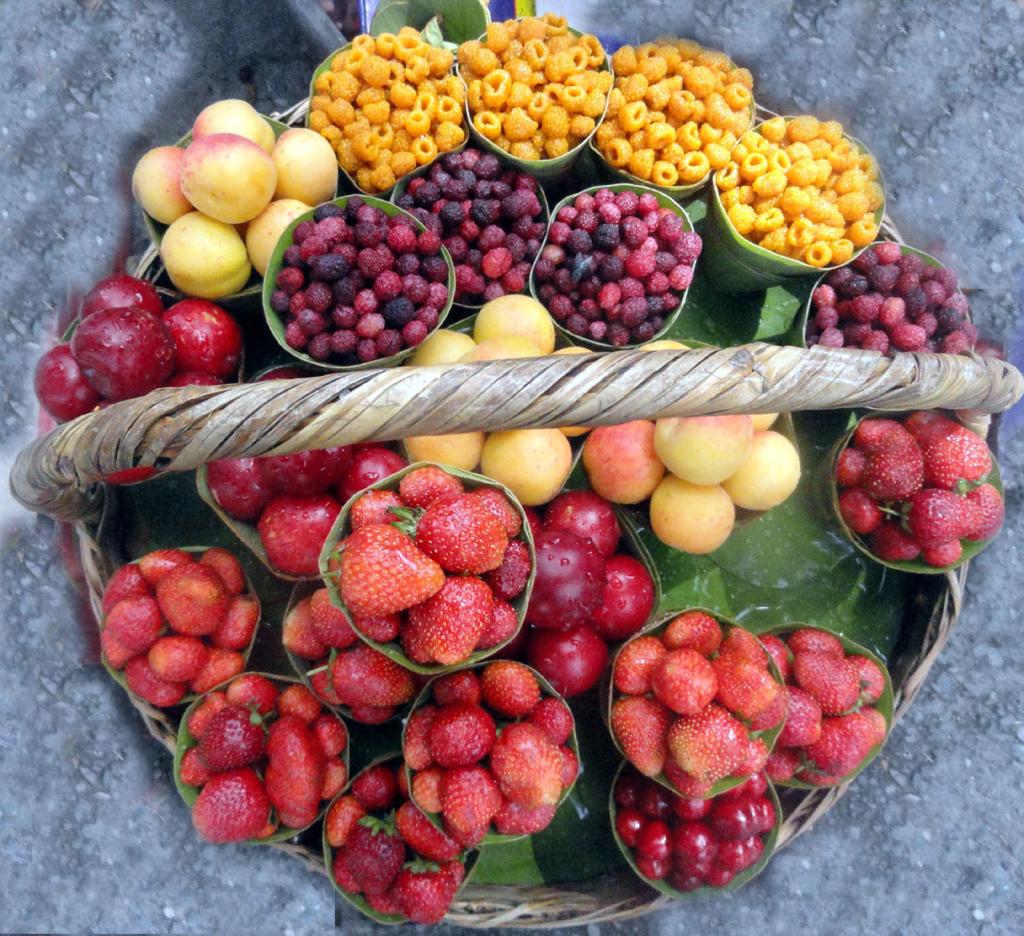
The vibrant colors of these fruits often reveal their nutritional properties. Orange-colored fruits like apricots and persimmons contain carotenoids, while deep purple and blue fruits such as berries and plums contain anthocyanins. Fruits like sea buckthorn and amla are especially valued for their high vitamin C content.
Modern nutrition research continues to explore the benefits of these mountain-grown fruits because they provide a wide range of bioactive compounds that support overall wellness when included in a balanced diet.
From the famous Himalayan apple orchards to lesser-known superfruits like sea buckthorn, these fruits represent a combination of natural beauty, cultural heritage, and nutritional value.
In this article, we will explore the top 10 Himalayan fruits rich in vitamins, minerals, and antioxidants, their nutritional profiles, potential health benefits, and how they can be included in everyday meals.
🫐 1. Sea Buckthorn – The Golden Berry of the Himalayas


Sea buckthorn is one of the most remarkable fruits found in the Himalayan region. Often called the “golden berry”, this small orange-colored fruit grows naturally in high-altitude areas, especially in cold desert regions.
Despite its tiny size, sea buckthorn contains an impressive concentration of nutrients and bioactive compounds. Its bright orange color comes from carotenoids, which are natural pigments with antioxidant properties.
The fruit has been traditionally used by mountain communities for generations. Because of its naturally sour and acidic taste, it is commonly processed into juices, jams, syrups, herbal drinks, and nutritional products.
🍊 Nutritional Profile of Sea Buckthorn
Sea buckthorn contains:
- Vitamin C
- Vitamin E
- Carotenoids
- Polyphenols
- Flavonoids
- Dietary fiber
- Organic acids
- Healthy plant compounds
One of the most notable features of sea buckthorn is its vitamin C content. Vitamin C plays an important role in supporting normal immune function, collagen production, and protection of cells from oxidative stress.
The fruit also contains vitamin E and carotenoids, which contribute to its antioxidant potential.
💚 Potential Health Benefits of Sea Buckthorn
Supports Immune Function
The high vitamin C content of sea buckthorn makes it a valuable fruit for supporting normal immune system activity.
Promotes Skin Health
Vitamin C contributes to collagen formation, which is essential for maintaining healthy skin structure. Antioxidants in sea buckthorn may also help protect skin cells from oxidative damage.
Provides Antioxidant Protection
Oxidative stress occurs when there is an imbalance between free radicals and antioxidants in the body. Plant compounds found in sea buckthorn help contribute antioxidant activity through the diet.
Supports Heart-Friendly Nutrition
The presence of plant compounds, healthy fats, and antioxidants makes sea buckthorn an interesting addition to a heart-conscious diet.
However, it should be remembered that no single fruit can prevent or treat diseases. A healthy lifestyle and balanced diet remain essential.
🍹 Ways to Consume Sea Buckthorn
Sea buckthorn can be enjoyed as:
- Fresh berries (where available)
- Juice
- Herbal beverages
- Jam
- Syrup
- Dried fruit products
Because of its strong sour taste, many people combine it with sweeter fruits or natural flavors.
🍎 2. Himalayan Apples – Mountain Fruits Full of Fiber and Antioxidants


Apples are among the most popular fruits cultivated in Himalayan regions. The cool climate and high-altitude environment of areas such as Himachal Pradesh, Jammu and Kashmir, and Uttarakhand provide suitable conditions for producing flavorful apples.
Himalayan apples are valued not only for their taste but also for their nutritional benefits. They are rich in dietary fiber, vitamins, minerals, and plant antioxidants.
The saying “an apple a day keeps the doctor away” reflects the long-standing reputation of apples as a healthy and convenient fruit.
🍏 Nutritional Profile of Himalayan Apples
Apples provide:
- Dietary fiber
- Vitamin C
- Potassium
- Polyphenols
- Natural carbohydrates
- Small amounts of minerals
One of the most important components of apples is pectin, a type of soluble fiber that supports digestive health.
The skin of apples contains many beneficial plant compounds, so eating a properly washed apple with the skin can increase nutrient intake.
🌿 Potential Health Benefits of Himalayan Apples
Improves Digestive Health
The fiber content of apples helps support normal digestion and contributes to a healthy gut environment.
Supports Heart Health
Fiber and polyphenols found in apples are associated with dietary patterns that support cardiovascular wellness.
Helps Maintain Energy Levels
The natural carbohydrates in apples provide a quick and convenient source of energy.
Provides Antioxidants
Apple polyphenols contribute antioxidant compounds that add variety to a plant-rich diet.
🍽️ Healthy Ways to Enjoy Apples
Himalayan apples can be eaten:
- Fresh as a snack
- Added to salads
- Blended into smoothies
- Served with yogurt
- Combined with nuts and seeds
Their natural sweetness makes them an excellent alternative to processed sugary snacks.
🫐 3. Himalayan Wild Blueberries – Tiny Fruits With Powerful Plant Compounds


Wild blueberries and similar mountain berries are among the most colorful fruits found in Himalayan ecosystems. Their deep blue and purple colors come from natural plant pigments known as anthocyanins.
Anthocyanins belong to a group of plant compounds called flavonoids and are widely studied because of their antioxidant properties.
These small berries demonstrate how even tiny fruits can contain valuable nutritional components.
🫐 Nutritional Profile of Himalayan Blueberries
Wild blueberries may provide:
- Vitamin C
- Dietary fiber
- Manganese
- Anthocyanins
- Polyphenols
- Natural plant nutrients
Their nutritional content depends on the variety, growing conditions, and freshness.
💙 Potential Health Benefits
Rich Source of Antioxidants
The deep color of blueberries indicates the presence of anthocyanins, which contribute antioxidant activity.
Supports Digestive Wellness
The fiber content helps support normal digestive function.
Provides Essential Micronutrients
Blueberries contribute vitamins and minerals that support overall nutrition.
🥣 Ways to Add Blueberries to Meals
They can be enjoyed with:
- Oatmeal
- Yogurt
- Smoothies
- Fruit bowls
- Homemade desserts
Fresh berries are generally preferred because they provide natural fiber and fewer added ingredients.
🍒 4. Himalayan Cherries – Colorful Fruits Rich in Antioxidants


Himalayan cherries are among the most attractive fruits grown in mountain regions. Their bright red to dark purple colors make them visually appealing, but these colors also indicate the presence of important plant compounds such as anthocyanins.
Cherries have been traditionally enjoyed as seasonal fruits in Himalayan communities. Their sweet and slightly tangy flavor makes them popular for fresh consumption as well as for making preserves, jams, and traditional preparations.
🍒 Nutritional Profile of Himalayan Cherries
Cherries contain:
- Vitamin C
- Potassium
- Dietary fiber
- Anthocyanins
- Polyphenols
- Natural carbohydrates
The combination of vitamins, minerals, and plant compounds makes cherries a valuable addition to a fruit-rich diet.
🌿 Potential Health Benefits of Himalayan Cherries
Provides Antioxidant Support
The red and purple pigments in cherries come from anthocyanins and other polyphenols that contribute antioxidant activity.
Supports Healthy Digestion
The fiber content in cherries helps support normal digestive function.
Provides Essential Nutrients
Vitamin C contributes to normal immune function, while potassium plays a role in normal muscle and nerve function.
Supports Active Lifestyles
Cherries contain natural carbohydrates that can provide energy, making them a useful snack option.
🍽️ Ways to Enjoy Himalayan Cherries
They can be eaten:
- Fresh during the season
- Mixed into fruit salads
- Added to yogurt
- Used in homemade jams
- Blended into smoothies
When buying preserved cherry products, checking for added sugar is recommended.
🍑 5. Himalayan Apricots – Golden Fruits Packed With Beta-Carotene


Himalayan apricots are one of the most treasured fruits of mountain regions, especially in areas with dry and sunny climates. These golden-orange fruits have been cultivated for generations and are an important part of local food traditions.
Their beautiful orange color comes from carotenoids, especially beta-carotene, which the body can convert into vitamin A.
🍊 Nutritional Profile of Himalayan Apricots
Apricots provide:
- Beta-carotene
- Vitamin C
- Dietary fiber
- Potassium
- Polyphenols
- Natural sugars
Beta-carotene is a plant pigment that contributes to the orange color of many fruits and vegetables.
👁️ Potential Health Benefits of Apricots
Supports Eye Health
Vitamin A is essential for normal vision, and beta-carotene contributes to the body’s vitamin A supply.
Supports Immune Function
Vitamin C found in apricots contributes to normal immune system function.
Promotes Digestive Health
The fiber in apricots supports healthy digestion and helps maintain regular bowel movements.
Provides Natural Energy
The natural carbohydrates in apricots provide a quick source of energy.
🍑 Fresh vs Dried Apricots
Fresh apricots contain more water, while dried apricots have concentrated nutrients and natural sugars.
Dried apricots can be a convenient snack, but portion sizes should be considered because they contain more calories in a smaller volume.
🍑 6. Himalayan Plums – Sweet and Nutrient-Rich Mountain Fruits


Plums are another wonderful fruit cultivated in Himalayan regions. Available in different colors including purple, red, yellow, and dark blue, plums provide a combination of vitamins, minerals, fiber, and antioxidants.
Dark-colored varieties often contain higher levels of anthocyanins, which contribute to their attractive appearance.
🍇 Nutritional Profile of Himalayan Plums
Plums contain:
- Vitamin C
- Dietary fiber
- Potassium
- Polyphenols
- Anthocyanins
- Natural carbohydrates
💜 Potential Health Benefits of Plums
Supports Digestive Health
The fiber in plums helps support healthy digestion.
Provides Antioxidant Compounds
Plant compounds in plums contribute antioxidant activity and help increase dietary diversity.
Supports Hydration
Because fresh plums contain a high percentage of water, they contribute to daily fluid intake.
Helps Create Balanced Meals
Their natural sweetness makes them useful for replacing highly processed desserts.
🍽️ Ways to Eat Himalayan Plums
Plums can be enjoyed as:
- Fresh fruit
- Homemade chutney
- Fruit salads
- Preserves
- Healthy snacks
Traditional Himalayan communities often use tart plums in savory recipes.
🍇 7. Himalayan Mulberries – Small Berries With Big Nutritional Value


Mulberries are traditional fruits found in many Himalayan areas. They grow on mulberry trees and are available in different colors, including white, red, and deep purple.
Dark-colored mulberries are particularly interesting because they contain anthocyanins and other polyphenols.
🫐 Nutritional Profile of Mulberries
Mulberries provide:
- Vitamin C
- Fiber
- Potassium
- Iron in small amounts
- Anthocyanins
- Polyphenols
💪 Potential Health Benefits
Supports Overall Nutrition
Mulberries contribute important plant nutrients as part of a varied diet.
Helps Maintain Digestive Health
The dietary fiber content supports normal digestion.
Provides Antioxidants
The natural pigments in mulberries contribute antioxidant compounds.
Supports Healthy Snacking
Their natural sweetness makes them a better option than many processed sugary foods.
🥣 Ways to Enjoy Mulberries
They can be eaten:
- Fresh
- Dried
- Added to cereals
- Mixed with yogurt
- Used in smoothies
🍐 8. Himalayan Pears – Fiber-Rich Mountain Fruits


Himalayan pears are appreciated for their juicy texture, refreshing taste, and nutritional value. These fruits grow well in several mountain areas and are enjoyed as seasonal produce.
Pears are especially known for their dietary fiber content.
🍐 Nutritional Profile of Himalayan Pears
Pears provide:
- Dietary fiber
- Vitamin C
- Potassium
- Copper
- Polyphenols
- Natural carbohydrates
🌿 Potential Health Benefits
Supports Digestive Function
The fiber in pears helps maintain digestive health.
Provides Long-Lasting Fullness
Fiber can help people feel satisfied after eating.
Supports Healthy Nutrition
Pears provide important plant nutrients while being naturally low in fat.
🍽️ Ways to Eat Pears
Enjoy pears:
- Fresh
- Sliced into salads
- With yogurt
- With nuts
- In healthy desserts
🟠 9. Himalayan Persimmons – Orange Fruits Full of Carotenoids


Persimmons are bright orange fruits that grow in suitable Himalayan climates. Their attractive color reflects the presence of carotenoids, natural plant pigments associated with vitamin A activity.
Persimmons have a naturally sweet flavor and soft texture when fully ripe.
🧡 Nutritional Profile of Persimmons
Persimmons contain:
- Beta-carotene
- Vitamin C
- Fiber
- Potassium
- Polyphenols
- Natural carbohydrates
👀 Potential Health Benefits
Supports Vision Health
Carotenoids contribute to vitamin A nutrition, which is important for normal vision.
Supports Immunity
Vitamin C contributes to normal immune system function.
Improves Dietary Fiber Intake
Fiber supports digestive wellness.
🍊 Ways to Enjoy Persimmons
Persimmons can be eaten:
- Fresh
- Added to salads
- Mixed into smoothies
- Used in homemade desserts
🍃 10. Himalayan Amla (Indian Gooseberry) – The Vitamin C Powerhouse


Amla, also known as Indian gooseberry, is one of the most famous traditional fruits associated with the Himalayan region and Indian food culture.
This small green fruit has a naturally sour taste and is highly valued because of its vitamin C content and antioxidant compounds.
🍃 Nutritional Profile of Amla
Amla contains:
- Vitamin C
- Dietary fiber
- Polyphenols
- Plant antioxidants
- Minerals
💚 Potential Health Benefits
Rich in Vitamin C
Amla is known for naturally providing vitamin C, which supports immune function and collagen formation.
Provides Antioxidants
Polyphenols and vitamin C contribute antioxidant activity.
Supports Digestive Health
The fiber content helps support normal digestion.
🍽️ Ways to Consume Amla
Amla can be enjoyed as:
- Fresh fruit
- Pickle
- Chutney
- Juice
- Dried preparations
🛡️ Why Himalayan Fruits Are Rich in Antioxidants


Many Himalayan fruits contain antioxidants because of their natural plant compounds.
Important antioxidant compounds include:
Vitamin C
Found in fruits like amla and sea buckthorn, vitamin C helps protect cells from oxidative stress.
Carotenoids
Found in apricots and persimmons, carotenoids contribute to the bright orange color of many fruits.
Anthocyanins
Found in berries, cherries, and dark plums, anthocyanins create red, blue, and purple colors.
Polyphenols
Many Himalayan fruits contain polyphenols that contribute to the overall antioxidant capacity of plant-based diets.
🌿 Conclusion
The Himalayan region provides an incredible variety of fruits that combine natural flavors, cultural importance, and nutritional benefits. Fruits like sea buckthorn, apples, berries, cherries, apricots, plums, mulberries, pears, persimmons, and amla offer valuable vitamins, minerals, fiber, and antioxidants.
However, the greatest benefit comes from eating a variety of fruits rather than focusing on only one. A colorful fruit-rich diet, combined with vegetables, whole grains, proteins, healthy fats, and regular physical activity, supports overall wellness.
Himalayan fruits are more than just food — they represent the connection between nature, tradition, biodiversity, and healthy living. 🌿🏔️