

Introduction
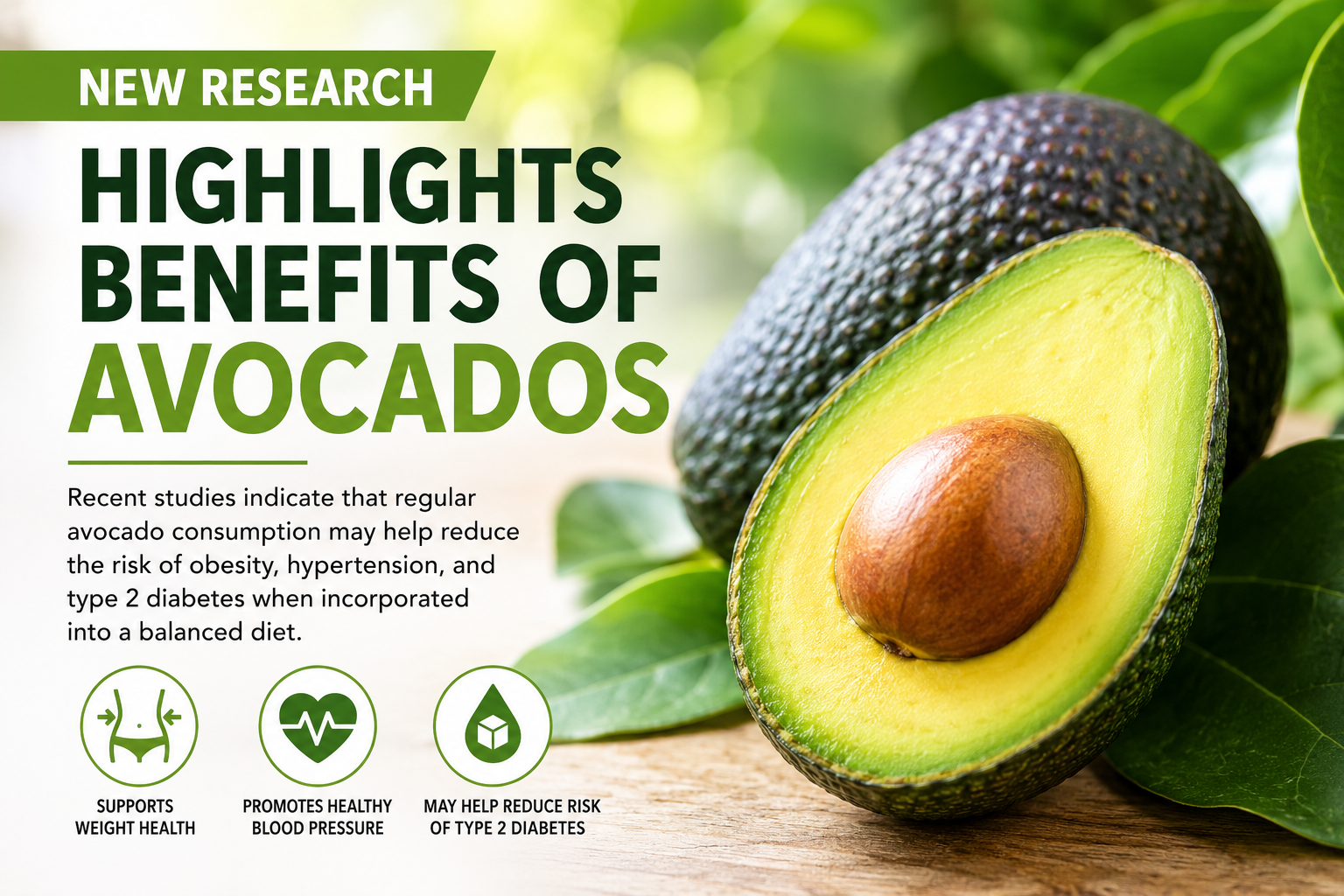
Avocados have long been celebrated as a nutrient-dense superfood, but new research is providing even more evidence of their potential health benefits. Recent studies suggest that regular avocado consumption, when included as part of a balanced diet, may help reduce the risk of obesity, hypertension (high blood pressure), and type 2 diabetes. As lifestyle-related diseases continue to rise globally, nutrition experts are increasingly interested in how simple dietary choices can contribute to long-term health.
The growing body of research surrounding avocados highlights their unique nutritional profile, rich in healthy fats, fiber, vitamins, minerals, and antioxidants. These nutrients may work together to support weight management, cardiovascular health, and blood sugar regulation.
Why Avocados Are Considered a Nutritional Powerhouse
Avocados are unlike most fruits because they contain a significant amount of healthy monounsaturated fats. These fats are associated with numerous health benefits, particularly for heart health and metabolic function.
A typical avocado contains:
- Healthy monounsaturated fats
- Dietary fiber
- Potassium
- Folate
- Vitamin K
- Vitamin E
- Vitamin C
- Magnesium
- Various antioxidants
This combination of nutrients makes avocados a valuable addition to many dietary patterns, including Mediterranean-style diets, plant-based diets, and balanced weight-management plans.
Key Nutrients and Their Benefits
| Nutrient | Potential Benefit |
|---|---|
| Monounsaturated fats | Supports heart health |
| Fiber | Promotes digestion and satiety |
| Potassium | Helps regulate blood pressure |
| Folate | Supports cell growth and development |
| Vitamin E | Antioxidant protection |
| Magnesium | Supports metabolic health |
Avocados and Obesity Prevention
One of the most significant findings from recent research is the potential role of avocados in weight management.
Increased Satiety
Avocados are rich in both fiber and healthy fats, two nutrients known to promote feelings of fullness. People who feel satisfied after meals are generally less likely to overeat or snack excessively between meals.
Researchers suggest that including avocado in meals may help:
- Reduce hunger levels
- Improve meal satisfaction
- Lower overall calorie intake
- Support healthy eating habits
Better Dietary Quality
Studies have also found that people who regularly consume avocados often have healthier overall dietary patterns. They tend to eat more fruits, vegetables, and whole foods while consuming fewer processed foods.
This improved dietary quality may contribute to lower obesity rates among regular avocado consumers.
Healthy Fat Does Not Mean Weight Gain
Many people avoid avocados because they are relatively high in calories. However, research indicates that foods rich in healthy fats can support weight management when consumed in appropriate portions.
The emphasis is not on eating excessive amounts of avocado but rather using it as a nutrient-rich replacement for less healthy food choices.
The Link Between Avocados and Blood Pressure Control
High blood pressure remains one of the leading risk factors for heart disease and stroke worldwide. Emerging research suggests avocados may support healthier blood pressure levels through several mechanisms.


Rich Source of Potassium
Potassium plays a critical role in regulating blood pressure by helping balance sodium levels in the body.
Many individuals consume excessive sodium but insufficient potassium. Avocados provide a substantial amount of potassium, helping support:
- Healthy blood vessel function
- Fluid balance
- Blood pressure regulation
Heart-Healthy Fats
The monounsaturated fats found in avocados may contribute to improved cardiovascular health by supporting healthy cholesterol levels.
Research has associated these fats with:
- Lower LDL (“bad”) cholesterol
- Improved HDL (“good”) cholesterol
- Reduced cardiovascular risk factors
Anti-Inflammatory Properties
Chronic inflammation is increasingly recognized as a contributor to cardiovascular disease. Avocados contain antioxidants and bioactive compounds that may help reduce inflammation throughout the body.
Avocados and Type 2 Diabetes Risk
Type 2 diabetes affects hundreds of millions of people worldwide, making prevention strategies a major public health priority.
Recent research suggests avocados may help support blood sugar management and metabolic health.
Improved Blood Sugar Control
Unlike many processed foods, avocados contain very little sugar while providing substantial fiber and healthy fats.
These characteristics may help:
- Slow digestion
- Reduce blood sugar spikes
- Improve insulin sensitivity
- Promote stable energy levels
Fiber Supports Metabolic Health
Dietary fiber plays an important role in regulating blood glucose levels.
The fiber in avocados can:
- Slow carbohydrate absorption
- Improve digestive health
- Support beneficial gut bacteria
- Enhance feelings of fullness
Potential Impact on Insulin Resistance
Some studies suggest that diets rich in healthy fats and fiber may help reduce insulin resistance, a key factor in the development of type 2 diabetes.
While avocados are not a cure or treatment, they may be a beneficial component of a diabetes-prevention strategy.
What Researchers Are Finding
Recent observational studies and clinical investigations continue to explore the relationship between avocado consumption and health outcomes.
Several common themes have emerged:
Better Cardiometabolic Health
Regular avocado consumers often demonstrate:
- Lower body weight
- Smaller waist circumference
- Better cholesterol profiles
- Improved diet quality
Enhanced Nutrient Intake
People who eat avocados frequently tend to consume more:
- Fiber
- Potassium
- Magnesium
- Vitamins and minerals
These nutrients are often under-consumed in modern diets.
Long-Term Health Benefits
Researchers emphasize that the greatest benefits appear when avocados are incorporated into an overall healthy dietary pattern rather than viewed as a standalone solution.
Practical Ways to Add Avocados to Your Diet
Adding avocados to meals is relatively simple and versatile.
Popular options include:
Breakfast
- Avocado toast on whole-grain bread
- Sliced avocado with eggs
- Smoothies with avocado
Lunch
- Mixed into salads
- Added to sandwiches and wraps
- Used as a healthy spread
Dinner
- Served alongside grilled vegetables
- Added to grain bowls
- Mixed into tacos and burritos
Healthy Snacks
- Guacamole with vegetables
- Avocado dip
- Sliced avocado with a sprinkle of seasoning
Important Considerations
Although avocados offer numerous health benefits, moderation remains important.
Portion Awareness
Avocados are nutrient-dense but also calorie-dense. Consuming appropriate portions helps maintain a balanced calorie intake.
Part of a Balanced Diet
Experts stress that no single food can prevent obesity, hypertension, or diabetes on its own.
The most effective approach combines:
- A balanced diet
- Regular physical activity
- Adequate sleep
- Stress management
- Routine medical care
Individual Needs Vary
People with specific health conditions or dietary restrictions should consult healthcare professionals or registered dietitians before making significant dietary changes.
The Future of Avocado Research
Scientists continue investigating how avocados influence various aspects of health, including:
- Gut microbiome composition
- Cardiovascular disease prevention
- Weight management
- Metabolic health
- Healthy aging
As research expands, avocados may become an increasingly important component of evidence-based dietary recommendations.
Conclusion
The latest research adds to growing evidence that avocados can play a valuable role in supporting overall health. Their combination of healthy fats, fiber, potassium, vitamins, and antioxidants may help reduce risk factors associated with obesity, hypertension, and type 2 diabetes when consumed as part of a balanced diet.
While avocados are not a miracle food, they represent a nutritious and versatile option that can contribute to healthier eating habits and improved long-term wellness. As scientists continue to explore their benefits, avocados remain one of the most nutrient-rich foods available for individuals seeking to enhance their diet and support better health outcomes.