Antibiotics have transformed modern medicine. Infections that once caused severe illness or death can now often be treated quickly and effectively with the right medicine. But one of the biggest challenges facing healthcare today is antibiotic resistance, a phenomenon in which bacteria evolve so that antibiotics become less effective or stop working altogether.
The problem is particularly concerning in children. Young children can be vulnerable to bacterial infections, and when commonly used antibiotics no longer work, doctors may have fewer treatment options. A large global analysis involving more than 106,000 pediatric bacterial samples from 82 countries has highlighted concerning patterns of resistance to several important antibiotics.
The findings reinforce an important message: antibiotic resistance is not simply a problem for hospitals or scientists. It is a global public-health issue that affects families, children, healthcare professionals and communities. 🌍
What Is Antibiotic Resistance? 🦠

Antibiotic resistance occurs when bacteria develop the ability to survive exposure to medicines designed to kill them or stop their growth.
It is important to understand that people do not become resistant to antibiotics—bacteria do. When resistant bacteria infect a person, however, the infection can become much harder to treat.
Bacteria can develop resistance naturally through genetic changes. However, the unnecessary or inappropriate use of antibiotics can accelerate this process. Every time antibiotics are used, susceptible bacteria may be eliminated while resistant bacteria survive and multiply.
Over time, resistance can spread between bacteria and across communities.
This creates a serious medical challenge. An infection that previously responded well to a commonly prescribed antibiotic may eventually require another medicine, a longer treatment period, closer monitoring or hospitalization.
For children, these challenges can be particularly important because their treatment needs depend on factors such as age, weight, the type of infection and the child’s overall health.
Why Antibiotic Resistance in Children Matters

Children experience many infections during childhood. Some are caused by bacteria, while others are caused by viruses.
This distinction matters because antibiotics treat bacterial infections, not viral infections.
Common childhood illnesses such as many cases of the common cold, influenza and other viral respiratory infections generally do not improve because of antibiotics. Nevertheless, antibiotics may sometimes be prescribed when a healthcare professional identifies or strongly suspects a bacterial infection.
When antibiotics are used unnecessarily, they can contribute to the broader problem of resistance without providing a benefit against a viral illness.
The global analysis of pediatric bacterial samples provides another reason for concern: resistance is appearing across different regions and bacterial infections, meaning the challenge cannot be viewed as isolated to one country or healthcare system.
Children Can Face Unique Risks
Children are not simply “small adults.” Their immune systems, metabolism and medication requirements change as they grow.
Infants and young children may also have difficulty communicating symptoms, making accurate diagnosis more challenging. In severe bacterial infections, delays in effective treatment can be dangerous.
When resistance eliminates commonly effective antibiotics from the treatment options, healthcare providers may have to consider alternatives.
This can make treatment more complicated and potentially increase healthcare costs and the burden on families.
What Did the Global Analysis Show? 🌍🔬

The large analysis examined more than 106,000 pediatric bacterial samples collected across 82 countries. Its broad geographic coverage is important because antibiotic resistance patterns can vary considerably between regions.
The research identified increasing resistance to several important antibiotics used to treat bacterial infections in children.
Rather than representing a problem confined to a particular hospital or country, these findings demonstrate the international nature of antimicrobial resistance.
Several factors can contribute to differences in resistance between regions, including:
- Antibiotic prescribing practices
- Access to healthcare
- Availability of diagnostic testing
- Vaccination coverage
- Infection-prevention practices
- Sanitation and clean-water access
- Antibiotic availability without appropriate medical supervision
- Healthcare infrastructure
- Local patterns of bacterial transmission
These factors interact with one another, making antibiotic resistance a complex problem requiring coordinated solutions.
The Importance of Antibiotic Stewardship 💊
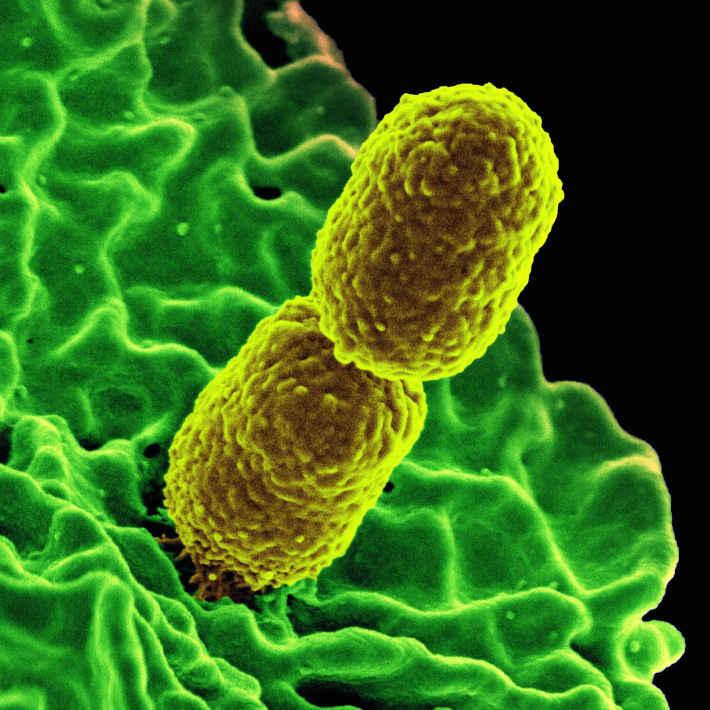
One of the most important strategies for fighting antibiotic resistance is antibiotic stewardship.
Antibiotic stewardship means using antibiotics appropriately—choosing the right medicine, dose and duration when antibiotics are genuinely needed.
For healthcare professionals, this can involve:
- Confirming whether an infection is likely to be bacterial.
- Using diagnostic tests when appropriate.
- Selecting an antibiotic based on the suspected or confirmed bacteria.
- Considering local resistance patterns.
- Prescribing the appropriate dose.
- Avoiding unnecessary broad-spectrum antibiotics.
- Reviewing treatment when laboratory results become available.
Stewardship does not mean avoiding antibiotics.
Instead, it means using antibiotics when they provide a meaningful medical benefit and using them correctly.
This distinction is crucial. A child with a serious bacterial infection needs timely and effective treatment. The goal is not to withhold antibiotics from children who need them, but to avoid unnecessary exposure and preserve antibiotic effectiveness for the future.
Parents Have an Important Role 👨👩👧
Parents and caregivers are also part of the solution.
When a child becomes sick, it can be stressful. Parents naturally want their child to recover as quickly as possible. However, antibiotics are not a universal treatment for every fever, cough or sore throat.
Parents can help by asking healthcare professionals questions such as:
“Is this infection bacterial?”
“Does my child actually need an antibiotic?”
“What symptoms should I watch for?”
These questions can encourage better communication and help ensure that antibiotics are used appropriately.
Parents should also avoid giving a child leftover antibiotics from an earlier illness or medication prescribed for another person.
Even if two children appear to have similar symptoms, they may have different illnesses and require different treatment.
Never Share Antibiotics
Sharing prescription medicines is unsafe.
An antibiotic prescribed for one child may not be appropriate for another because the bacterial cause, dosage requirement, allergies, age or underlying medical circumstances may differ.
Similarly, leftover antibiotics should not be saved for future illnesses unless a healthcare professional specifically advises otherwise.
Antibiotics and Viral Infections
One of the most common misunderstandings about antibiotics is that they can speed recovery from any infection.
They cannot.
Viruses and bacteria are biologically different. Antibiotics target bacterial processes, meaning they generally do not work against viruses.
For example, many respiratory infections in children are viral. In such cases, supportive care recommended by a healthcare professional may be more appropriate than antibiotics.
However, viral infections can sometimes be followed by bacterial complications. That is why parents should not attempt to diagnose an infection themselves.
A healthcare professional can assess the child’s symptoms and determine whether additional evaluation or treatment is needed.
Vaccination Can Help Reduce Antibiotic Use 💉
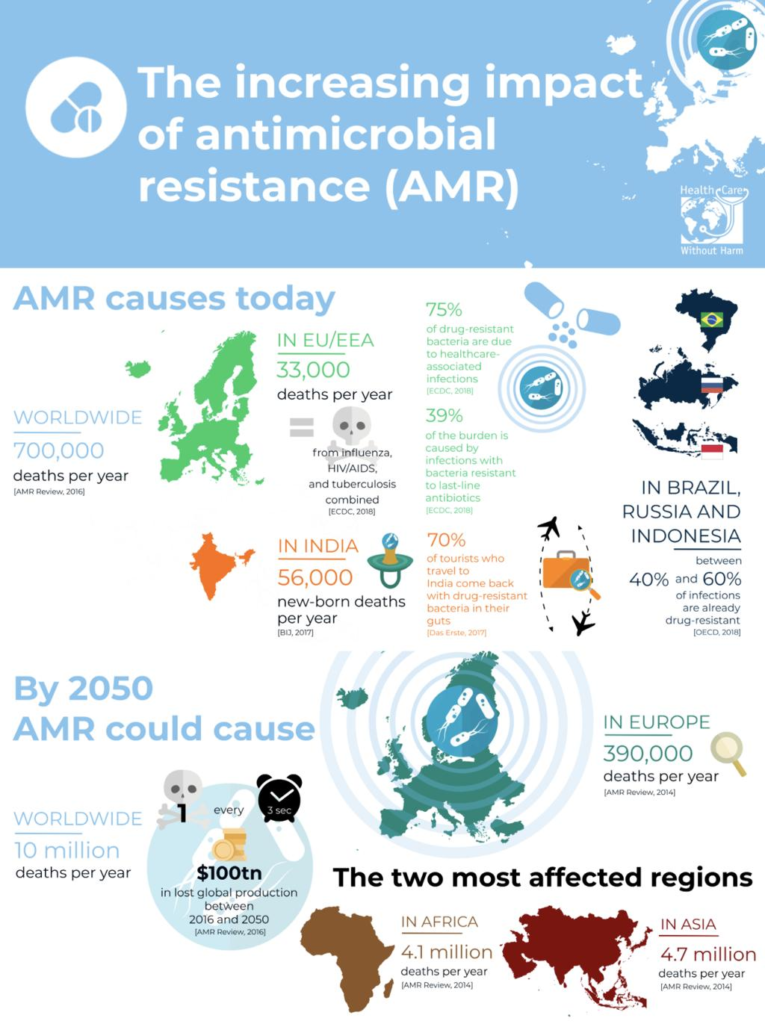
Vaccination is another important tool in the fight against antibiotic resistance.
Vaccines can prevent certain bacterial and viral infections, reducing the number of illnesses that might otherwise require medical treatment.
Preventing infections also means reducing opportunities for antibiotic use.
Vaccination programs therefore have benefits beyond protecting individuals from specific diseases. They can contribute to broader efforts to reduce the pressure that drives antibiotic resistance.
Keeping children up to date with recommended vaccinations is an important component of preventive healthcare.
Infection Prevention Is Equally Important 🧼
Antibiotic resistance cannot be solved through prescribing practices alone.
Preventing infections in the first place reduces the need for antibiotics.
Simple measures can make a significant difference:
- Regular handwashing
- Good respiratory hygiene
- Safe food preparation
- Clean drinking water
- Appropriate sanitation
- Staying home when seriously ill when advised
- Maintaining recommended vaccinations
- Proper infection-control practices in healthcare settings
Hospitals and clinics have an especially important role because resistant bacteria can spread more easily in environments where many vulnerable patients receive care.
Strong infection-prevention programs can help reduce transmission.
Why Global Surveillance Matters 📊
Antibiotic resistance is constantly changing.
Bacteria that are susceptible to an antibiotic today may become resistant in the future. This means health authorities need reliable information about resistance patterns.
Global surveillance helps researchers and healthcare systems understand:
- Which bacteria are becoming resistant
- Which antibiotics remain effective
- Where resistance is increasing
- Which populations are most affected
- How treatment guidelines should evolve
The scale of the pediatric analysis—covering samples from 82 countries—demonstrates the value of collecting and comparing information internationally.
Resistance does not respect national borders. Bacteria can travel through people, animals, food, water and international movement.
Consequently, solutions also need international cooperation.
The Role of Doctors and Healthcare Systems 👩⚕️🏥
Healthcare professionals are at the center of antibiotic-resistance prevention.
Doctors, pediatricians, nurses, pharmacists, microbiologists and public-health specialists all contribute to responsible antibiotic use.
Healthcare systems can support them by providing:
Better diagnostic testing: Rapid and reliable testing can help distinguish bacterial infections from other causes of illness.
Updated treatment guidelines: Recommendations should reflect current resistance patterns.
Access to appropriate antibiotics: Children with serious bacterial infections need timely access to effective medicines.
Resistance surveillance: Hospitals and laboratories need systems for tracking bacterial susceptibility.
Education: Healthcare professionals and families should receive clear information about appropriate antibiotic use.
A successful strategy therefore requires more than telling people to “use fewer antibiotics.” It requires building healthcare systems capable of making accurate diagnoses and providing effective treatment.
What Happens When Antibiotics Stop Working?
Imagine a child develops a serious bacterial infection.
If the bacteria are susceptible to a standard antibiotic, treatment may work relatively quickly.
But if the bacteria are resistant, the doctor may need to identify another effective medicine. In some cases, laboratory testing may be needed to determine which antibiotics can still work.
Resistance can therefore lead to:
- Longer illness
- Longer hospital stays
- More complicated treatment
- Increased healthcare expenses
- Greater risk of complications
- Increased pressure on healthcare systems
The most serious concern is when bacteria become resistant to multiple antibiotics, leaving healthcare professionals with very limited treatment options.
Antibiotic Resistance Is a Shared Responsibility 🤝
It is tempting to think antibiotic resistance is primarily the responsibility of doctors.
It isn’t.
Doctors need to prescribe responsibly. Pharmacists need to support appropriate medication use. Hospitals need strong infection-control programs. Laboratories need reliable testing. Governments need surveillance and public-health policies. Researchers need to develop new treatments and diagnostic tools.
Families also have an important role.
Everyone who uses antibiotics contributes, directly or indirectly, to the evolutionary pressure that influences bacterial resistance.
This makes antibiotic resistance a classic One Health issue—one that connects human health, animal health and the environment.
What Can Be Done Next?
The global findings make it clear that antibiotic resistance requires long-term action.
1. Improve Antibiotic Stewardship
Antibiotics should be prescribed only when clinically appropriate and according to evidence-based recommendations.
2. Strengthen Diagnostic Testing
Better testing can help healthcare professionals identify infections and select appropriate treatment.
3. Expand Resistance Surveillance
Countries need reliable data showing how resistance patterns are changing among pediatric pathogens.
4. Prevent Infections
Vaccination, hygiene, sanitation and infection-control measures can reduce infections and therefore reduce antibiotic demand.
5. Educate Families
Parents and caregivers should understand that antibiotics do not treat viral illnesses and should never be shared or used without appropriate medical advice.
6. Invest in Research
New antibiotics are important, but research should also focus on vaccines, rapid diagnostics, alternative treatments and strategies that prevent resistant infections.
7. Improve Global Cooperation
Because resistant bacteria cross borders, countries need to share data and coordinate responses.
A Message for Parents ❤️
If your child is sick, don’t feel guilty about asking questions about antibiotics.
At the same time, don’t feel that antibiotics are always necessary.
The best approach is to work with a qualified healthcare professional who can assess the child’s symptoms and determine the appropriate treatment.
If an antibiotic is prescribed, follow the healthcare professional’s instructions carefully. Don’t change the dose, stop treatment early or reuse the medicine for another illness unless advised by the prescribing clinician.
Most importantly, remember that responsible antibiotic use today helps preserve effective treatments for children tomorrow.
Conclusion: Protecting Antibiotics for the Next Generation 🌍💙
Antibiotic resistance in children is becoming an increasingly important global health challenge. The analysis of more than 106,000 pediatric bacterial samples from 82 countries highlights the scale of the problem and the need for stronger action.
Antibiotics remain essential medicines. The answer is not to fear them or avoid them when they are medically necessary. The answer is to use them wisely.
Better diagnosis, responsible prescribing, vaccination, infection prevention, public education, resistance surveillance and continued scientific research can all contribute to slowing the spread of resistance.
For parents, healthcare professionals and policymakers alike, the goal is shared: ensure that effective antibiotics remain available when children genuinely need them.
The decisions made today can influence the effectiveness of these life-saving medicines for years to come. 🧒💊🌍