[Featured Image Idea: A modern healthcare center showing doctors, nurses, patients, and digital medical technology working together]
Healthcare is one of the most essential parts of human life. It represents more than hospitals, medicines, and medical treatments. Healthcare is a complete system that focuses on protecting health, preventing diseases, improving quality of life, and supporting people throughout every stage of life. 🌎💚
A healthy population creates stronger families, productive communities, and a better future. From simple daily habits such as eating nutritious foods and exercising regularly to advanced medical treatments and technological innovations, healthcare influences almost every aspect of our lives.
In today’s world, healthcare is rapidly changing. New technologies, scientific discoveries, and improved medical practices are helping people receive better care than ever before. The focus of modern healthcare is moving from only treating diseases to preventing problems before they happen and encouraging people to actively manage their own wellness.
🌱 Understanding the True Meaning of Healthcare
Healthcare is the process of maintaining and improving human health through prevention, diagnosis, treatment, and recovery. It includes many different services designed to support physical, emotional, and mental well-being.
Many people connect healthcare only with doctors and hospitals, but the healthcare industry includes a wide range of professionals and services:
👩⚕️ Doctors who diagnose and treat illnesses
👨⚕️ Nurses who provide patient care and support
💊 Pharmacists who ensure safe medication use
🧠 Mental health specialists who support emotional wellness
🥗 Nutrition experts who guide healthy eating habits
🏃 Fitness professionals who encourage active lifestyles
Together, these healthcare professionals create a network that helps individuals maintain healthier lives.
[Image Idea: Healthcare team including doctors, nurses, and specialists collaborating in a hospital]
Healthcare begins before illness appears. Preventive care, health education, and lifestyle choices are important parts of maintaining long-term wellness.
For example, regular medical checkups can help identify health concerns early. A balanced diet can strengthen the body’s natural defenses. Physical activity can improve heart health and reduce the risk of many chronic conditions.
Small healthcare decisions made every day can create significant changes over time. 🌟
🩺 The Importance of Preventive Healthcare
Prevention is one of the most powerful concepts in modern healthcare. Instead of waiting for serious health problems to develop, preventive healthcare encourages people to take action early.
Preventive healthcare includes activities such as:
✅ Regular health screenings
✅ Vaccinations
✅ Healthy nutrition choices
✅ Exercise routines
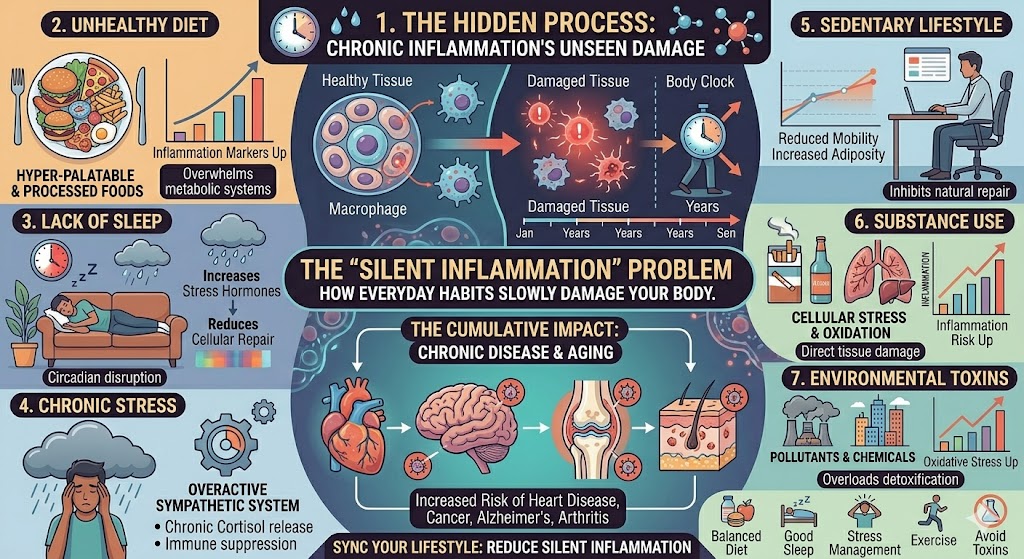
✅ Stress management
✅ Lifestyle improvements
Early detection can make many diseases easier to manage. Conditions such as high blood pressure, diabetes, and certain cancers may have better outcomes when discovered at an early stage.
A preventive approach also reduces pressure on healthcare systems because fewer people require emergency treatments or complex medical procedures.
[Image Idea: Person receiving a health checkup with a doctor using modern medical equipment]
Healthy habits are among the most effective forms of prevention. A person who maintains a balanced lifestyle gives their body better protection against many health challenges.
Simple habits include:
🥦 Eating more fruits and vegetables
💧 Drinking enough water
🚶 Walking regularly
😴 Sleeping properly
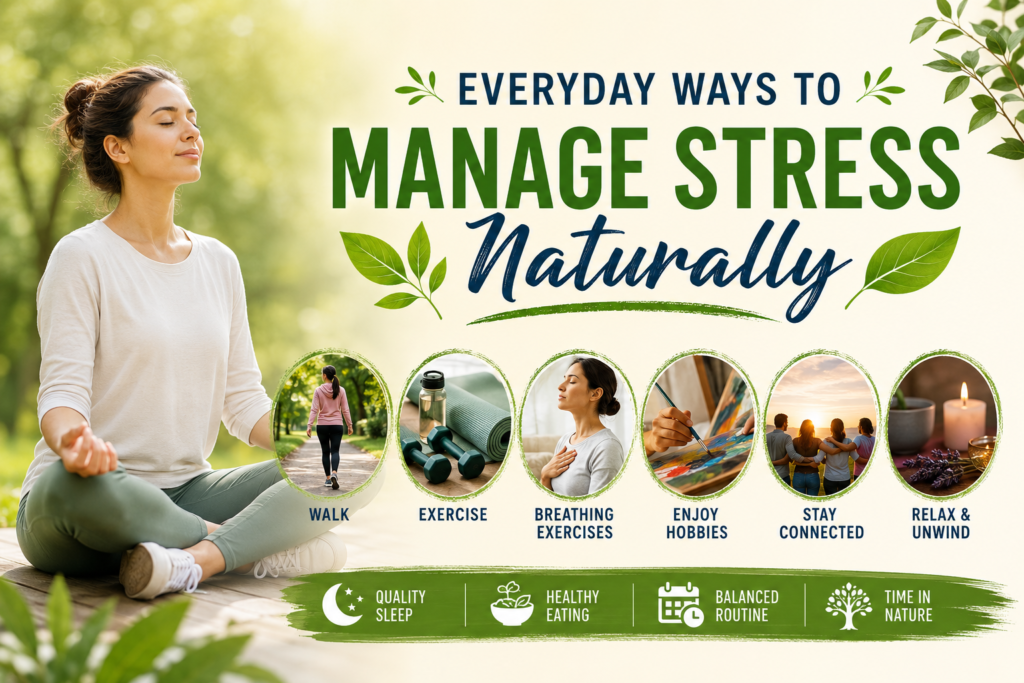
🧘 Practicing relaxation techniques
Healthcare is not only something people receive from professionals. It is also something people practice every day.
🧠 Mental Healthcare: Caring for the Mind and Emotions
For many years, healthcare discussions focused mainly on physical conditions. Today, mental healthcare has become recognized as an equally important part of overall wellness.
The mind and body are deeply connected. Emotional stress can influence physical health, while physical illnesses can affect emotional well-being.
Mental healthcare helps people manage challenges such as:
🌧 Stress
😟 Anxiety
💭 Emotional difficulties
😔 Depression
🤝 Relationship challenges
Seeking mental health support is an important step toward maintaining balance and improving quality of life.
Healthy mental habits may include:
🌿 Spending time in nature
📖 Learning new skills
🎨 Enjoying creative activities
👥 Building supportive relationships
🧘 Practicing mindfulness
Modern healthcare increasingly focuses on treating the whole person rather than only addressing symptoms.
A person’s emotional health, physical condition, lifestyle, and environment all influence their overall wellness.
[Image Idea: A peaceful wellness scene showing meditation, nature, and mental health awareness]
🤖 Technology: Transforming the Future of Healthcare
Technology has changed healthcare in extraordinary ways. Digital innovation is helping healthcare providers deliver faster, safer, and more personalized services.
One major advancement is telemedicine. Through online consultations, patients can communicate with healthcare professionals without always visiting a hospital or clinic.
Telemedicine provides important benefits:
📱 Easier access to medical advice
🌍 Support for people in remote locations
⏰ Time-saving healthcare solutions
🏥 Reduced pressure on hospitals
Artificial intelligence is another growing area in healthcare. AI tools can help analyze medical information, support research, and improve decision-making.
Wearable health devices are also becoming popular. Smart watches and health trackers can monitor:
❤️ Heart rate
🚶 Daily activity
😴 Sleep patterns
🏃 Exercise levels
These technologies encourage people to become more aware of their health.
[Image Idea: Smart healthcare devices connected with digital medical systems]
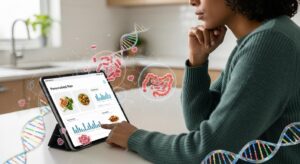
The future of healthcare will likely become more personalized. Medical treatments may increasingly consider individual genetics, lifestyle, and personal health information to create better solutions.
🌍 Healthcare Access and Global Health Improvement
Healthcare accessibility remains one of the biggest challenges around the world. Many communities still face difficulties because of limited medical facilities, financial barriers, or shortages of healthcare professionals.
Improving healthcare access requires cooperation between governments, organizations, communities, and medical experts.
Important solutions include:
🏥 Building healthcare facilities
📚 Providing health education
🚑 Creating mobile medical services
💻 Expanding digital healthcare options
👩⚕️ Training more healthcare workers
When people have access to quality healthcare, communities become healthier and stronger.
Healthcare equality means ensuring that everyone has opportunities to receive proper medical support regardless of their location or circumstances.