
Introduction
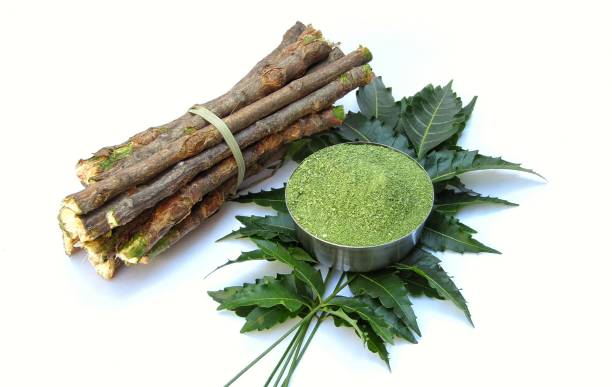
Neem leaves, obtained from the neem tree (Azadirachta indica), have been used for centuries in traditional Indian practices. Known for their bitter taste and distinctive aroma, neem leaves have traditionally been incorporated into household remedies, personal-care practices, and various cultural routines. Today, neem continues to attract interest because its leaves contain naturally occurring plant compounds with antioxidant and antimicrobial properties.
However, traditional use does not automatically mean that neem is suitable for everyone or that consuming large amounts is safe. Neem products can vary considerably in concentration and preparation, and scientific evidence for many claimed health benefits remains limited. Therefore, neem should be approached as a traditional botanical rather than a substitute for proven medical treatment.
🌿 Traditional Uses of Neem Leaves
Neem has a long history in Ayurveda and other traditional systems of Indian health practices. Different parts of the tree—including the leaves, bark, seeds, and flowers—have traditionally been used for different purposes.
1. Traditional Skin Care
Neem leaves are traditionally associated with skin cleansing and care. Preparations made from neem leaves have been used in household practices for maintaining clean-looking skin. Neem’s naturally occurring plant compounds have demonstrated antimicrobial activity in laboratory research, which may help explain some of its historical popularity.
Neem leaf preparations are sometimes incorporated into bathing water or used externally as part of traditional skin-care routines. However, concentrated preparations can irritate sensitive skin, so a small patch test is sensible before applying a new topical product.
2. Traditional Oral-Care Practices
Neem has also played a role in traditional oral hygiene. Neem twigs have historically been used as chewing sticks, while neem-based ingredients can be found in some traditional oral-care products.
The antimicrobial properties of compounds found in neem have generated scientific interest in oral health. Nevertheless, using neem should not replace regular brushing with fluoride toothpaste, flossing, professional dental care, or treatment of existing dental problems.
3. Traditional Household Practices
Neem leaves have traditionally been kept in homes because of their strong aroma and association with natural insect-repellent practices. Dried or fresh neem leaves have been used around stored materials and in various household applications.
These traditional practices are different from consuming neem. External or household use does not necessarily establish that an internal dose is safe.
💚 Potential Health Benefits of Neem
Research has identified several biologically active compounds in neem. These include limonoids and other phytochemicals that have antioxidant and antimicrobial activity in laboratory and experimental settings.
Antioxidant Properties
Neem leaves contain plant compounds that can act as antioxidants. Antioxidants help protect cells from oxidative stress caused by unstable molecules known as free radicals.
Eating a varied diet rich in vegetables, fruits, whole grains, legumes, nuts, and seeds remains a much better-established way to obtain a broad range of beneficial antioxidants.
Antimicrobial Activity
Neem has attracted scientific attention because extracts from different parts of the plant can demonstrate activity against certain microorganisms in laboratory studies. This property may contribute to some of neem’s traditional applications.
Importantly, laboratory antimicrobial activity does not mean that eating neem leaves will treat an infection. Human clinical evidence is needed before making therapeutic claims.
Traditional Digestive Uses
In traditional practices, neem preparations have sometimes been used for digestive complaints and general wellness. However, neem’s bitter compounds can be unpleasant and may cause adverse effects when consumed in excessive quantities.
People experiencing persistent digestive symptoms should seek an appropriate medical evaluation rather than relying on neem.
🍃 How Neem Leaves Are Traditionally Used
Neem leaves can be prepared in several traditional ways, although the safety of each preparation depends on concentration, frequency, and the individual consuming or applying it.
Some traditional practices involve using small quantities of young leaves in food preparations. Others involve making diluted external preparations or using commercially prepared neem products.
It is important to distinguish between culinary use of a small amount of an edible plant and concentrated extracts, capsules, oils, or homemade medicinal preparations. Concentrated products can deliver substantially higher amounts of active compounds.
If a neem product is intended for internal use, follow the manufacturer’s directions and consult a qualified healthcare professional if you have concerns about interactions or safety.
⚠️ Neem Consumption: Important Precautions
Although neem has a long traditional history, more is not necessarily better. Neem should not be consumed in large quantities simply because it is natural.
1. Avoid Excessive Consumption
Large or concentrated amounts of neem may cause unwanted effects. Neem oil, in particular, should not be treated like an ordinary edible cooking oil. Accidental ingestion of neem oil has been associated with serious poisoning, especially in children.
2. Pregnancy and Breastfeeding
Neem preparations taken internally should generally be avoided during pregnancy unless specifically recommended by a qualified healthcare professional. Safety during breastfeeding is also not well established.
3. Children Need Extra Caution
Children can be particularly vulnerable to concentrated botanical products. Neem oil ingestion has been associated with poisoning in young children, so neem products should always be stored safely and kept out of their reach.
4. Possible Medication Interactions
Neem may potentially affect how certain medicines work. People taking medicines for blood sugar, immune-related conditions, or other chronic conditions should speak with a healthcare professional before using concentrated neem preparations.
5. Allergic or Skin Reactions
Topical neem products may cause irritation or allergic reactions in some individuals. Stop using a preparation if burning, swelling, itching, rash, or other concerning symptoms develop.
🥗 Can You Eat Neem Leaves?
Neem leaves are traditionally eaten in some Indian practices, usually in relatively small quantities and specific preparations. Their intensely bitter flavor means they are generally not consumed like spinach or coriander in large portions.
For someone considering neem as a dietary ingredient, moderation is important. There is also no strong evidence that routinely eating neem leaves provides dramatic health benefits for otherwise healthy people.
Instead of treating neem as a daily medicinal supplement, it may be more useful to focus on established nutritional foods such as leafy greens, fruits, vegetables, legumes, nuts, seeds, and whole grains.
🌱 Neem vs. Proven Healthy Habits
Neem is sometimes promoted online as a solution for numerous health conditions. Such claims should be approached carefully.
A traditional plant can contain biologically active compounds without being a proven treatment for a disease. Laboratory findings, animal research, traditional knowledge, and human clinical evidence are not interchangeable.
For everyday health, the fundamentals remain more important: eating a balanced diet, exercising regularly, sleeping adequately, maintaining oral hygiene, avoiding tobacco, limiting excessive alcohol, and receiving appropriate preventive healthcare.
Neem can be appreciated for its cultural and traditional importance without exaggerating what science currently proves about it.
🧴 Choosing Neem Products Safely
If you decide to use a neem product, consider the following precautions:
- Choose products from reputable manufacturers.
- Check the ingredient list and concentration.
- Follow the recommended directions.
- Avoid consuming products intended only for external use.
- Never assume that neem oil is safe to drink.
- Keep concentrated neem products away from children.
- Stop using the product if you experience an adverse reaction.
- Discuss internal use with a healthcare professional if you take regular medicines or have an ongoing medical condition.
Homemade concentrated extracts can be particularly difficult to dose accurately. A product’s “natural” label does not guarantee that it is harmless.
🌿 Final Thoughts
Neem leaves have an important place in traditional Indian practices and have been valued for generations for household, personal-care, and traditional wellness applications. Modern research has identified interesting antioxidant and antimicrobial properties in neem, but evidence for many specific health claims remains limited.
The safest approach is to respect neem’s traditional role while avoiding exaggerated claims. Small traditional uses and concentrated medicinal preparations are not equivalent, and consuming large quantities—especially neem oil—can be dangerous. Pregnant people, children, breastfeeding individuals, and those taking medicines should take particular care.
Ultimately, neem can be part of a broader appreciation of traditional plant knowledge, but it should not replace balanced nutrition, evidence-based healthcare, or professional medical advice. 🌿