
Health Research • Nutrition & Metabolic Health • 2026
Introduction
Dietary fiber is an important part of a healthy diet, yet many people do not consume enough fiber-rich foods in their daily meals. Found naturally in vegetables, fruits, whole grains, legumes, nuts, and seeds, fiber supports several essential functions in the body. Research suggests that it can help regulate blood glucose levels, improve feelings of fullness, support healthy cholesterol levels, and maintain a balanced gut environment.
The relationship between dietary fiber and blood sugar regulation is particularly important for people with prediabetes, type 2 diabetes, insulin resistance, or an increased risk of metabolic disease. Unlike many digestible carbohydrates, fiber is not completely broken down and absorbed in the small intestine. Depending on its type, it can slow digestion, reduce the speed at which glucose enters the bloodstream, and provide nourishment for beneficial gut microorganisms.
However, fiber is not a cure for diabetes, and its effects vary according to the type and quantity consumed, the overall meal, and a person’s health. Understanding these differences can help people make practical, evidence-informed dietary choices.


1. What Is Dietary Fiber?
Dietary fiber refers to carbohydrates and related plant components that the human digestive system cannot fully digest. Unlike sugars and starches that are broken down into glucose, fiber passes through the digestive tract partly or largely intact.
There are two commonly discussed categories of fiber: soluble and insoluble. Many foods contain both, although their proportions differ.
Soluble fiber
Soluble fiber dissolves in water and can form a gel-like substance in the digestive tract. This gel may slow the movement of food and the absorption of nutrients, including glucose. Certain soluble fibers can also help lower LDL cholesterol.
Oats, barley, beans, lentils, chickpeas, apples, citrus fruits, and psyllium are useful sources of soluble fiber.
Insoluble fiber
Insoluble fiber helps add bulk to stool and supports regular bowel movements. It is found in foods such as whole-wheat grains, vegetable skins, nuts, seeds, and many vegetables.
Although insoluble fiber is not generally as effective as viscous soluble fiber at slowing glucose absorption, fiber-rich foods containing both types can contribute to overall metabolic health.
Fermentable fiber and the gut microbiome
Some fibers are fermented by gut microorganisms in the large intestine. This process can produce short-chain fatty acids, including acetate, propionate, and butyrate. These compounds participate in processes related to intestinal health, immune function, and metabolism.
The effects depend on the type of fiber and the person’s gut microbiome. Not every fiber produces the same response, and researchers are still investigating how these mechanisms influence long-term blood glucose control.
2. How Dietary Fiber Helps Regulate Blood Sugar
Blood glucose rises after eating foods containing digestible carbohydrates. The body releases insulin to help move glucose from the bloodstream into cells, where it can be used for energy or stored for later use. In people with insulin resistance or diabetes, this process may not work efficiently.
Fiber can support glucose regulation through several complementary mechanisms.
Slowing carbohydrate digestion and glucose absorption
Viscous soluble fibers, such as beta-glucan in oats and barley, form a gel-like material in the digestive tract. This can slow digestion and the absorption of glucose, reducing the speed and sometimes the size of the blood sugar rise after a meal.
For example, a breakfast containing oats, nuts, and whole fruit may produce a different glucose response from a breakfast consisting mainly of refined cereal and a sugary drink. The overall quantity of carbohydrates, portion sizes, preparation methods, and accompanying protein and fat also matter.
Supporting long-term glucose control
A 2025 systematic review of randomized controlled trials examined dietary fiber interventions in people with diabetes or at risk of developing it. The studies reported improvements in measures such as fasting glucose and HbA1c, although the effects varied by intervention and study. HbA1c reflects average blood glucose over approximately two to three months.
These findings support including fiber-rich foods in diabetes management. They do not mean that every person will experience the same improvement or that increasing fiber alone will prevent or reverse diabetes.
Improving insulin sensitivity
Insulin sensitivity describes how effectively the body’s cells respond to insulin. Some research suggests that fiber-rich dietary patterns may improve insulin sensitivity through effects on body weight, nutrient absorption, inflammation, and gut microbial activity.
However, the effect of fiber itself can be difficult to separate from the benefits of the overall diet and lifestyle. More research is needed to identify which fibers, doses, and combinations produce the greatest benefit for different individuals.
3. Dietary Fiber, Satiety, and Weight Management

Feeling satisfied after a meal is important for maintaining a healthy eating pattern. Fiber may help by adding volume to food, slowing digestion in some cases, and supporting signals involved in fullness.
For example, a meal containing dal, vegetables, whole-wheat roti, and curd generally offers a more balanced combination of fiber, protein, and other nutrients than a meal made primarily of refined flour and sweetened beverages.
How fiber may help reduce excessive snacking
Fiber-rich foods often require more chewing and may take longer to digest. Legumes, vegetables, whole grains, and whole fruits can therefore help some people feel satisfied for longer. This may make it easier to manage portion sizes and total energy intake.
The effect is not identical for every food. Some high-fiber foods are also energy-dense, particularly nuts and seeds, so portions still matter.
The connection between body weight and blood sugar
Excess body fat, especially around the abdomen, is associated with an increased risk of insulin resistance in many people. A fiber-rich eating pattern may help with weight management by improving meal quality and fullness.
Still, fiber is only one part of the picture. Physical activity, sleep, total energy intake, medications, genetics, and other health factors also influence weight and glucose control.
4. Fiber and Cholesterol: Benefits for Heart Health
Dietary fiber also contributes to cardiovascular health. Certain soluble, viscous fibers can help lower LDL cholesterol, sometimes called “bad” cholesterol.
How soluble fiber affects cholesterol
Viscous fiber can bind bile acids in the digestive tract and increase their removal. The liver then uses cholesterol to produce more bile acids, which can contribute to lower circulating LDL cholesterol.
Oats and barley contain beta-glucan, while beans, lentils, and psyllium provide other useful sources of soluble or viscous fiber. The amount and type consumed influence the result.
Why cholesterol and blood sugar should be considered together
Type 2 diabetes often occurs alongside other cardiovascular risk factors, including high blood pressure, abnormal cholesterol levels, and excess abdominal fat. Eating more minimally processed plant foods can help address several aspects of metabolic health at once.
A practical approach is to include legumes regularly, choose whole grains more often than refined grains, eat a variety of vegetables, and replace sugary drinks with water. These changes align with the American Diabetes Association’s emphasis on individualized eating patterns rich in vegetables, whole fruits, legumes, whole grains, nuts, and seeds.
5. Dietary Fiber and Gut Health

The gut microbiome consists of microorganisms that live in the digestive tract. Many of these microorganisms use specific dietary fibers as a food source. This makes fiber important not only for bowel movements but also for interactions between diet and the intestinal environment.
Feeding beneficial gut microorganisms
Fermentable fibers found in foods such as legumes, oats, onions, and certain vegetables can be used by gut bacteria. Fermentation produces short-chain fatty acids, including butyrate, which is an important energy source for cells lining the colon.
Research suggests that the effects of fiber on gut microorganisms vary considerably. Different fibers support different microbial activities, and individual microbiomes respond differently to the same food or supplement.
Supporting regular bowel movements
Insoluble fiber adds bulk to stool, while certain soluble fibers help retain water. Together, fibers from a varied diet can support bowel regularity.
Adequate fluid intake is important, especially when increasing fiber or consuming foods such as psyllium. Increasing fiber too quickly can cause bloating, gas, or abdominal discomfort.
Can gut health influence blood sugar?
Scientists are investigating how gut microbial composition, fermentation products, and intestinal signaling may influence insulin sensitivity and glucose metabolism. Although findings are promising, the precise causal relationships remain under study.
It would be inaccurate to assume that a particular microbiome profile guarantees healthy blood sugar or that one fermented food can treat diabetes. A varied, fiber-rich diet is a sensible foundation, but gut health involves many factors beyond fiber intake alone.
6. Best High-Fiber Foods for Blood Sugar Regulation
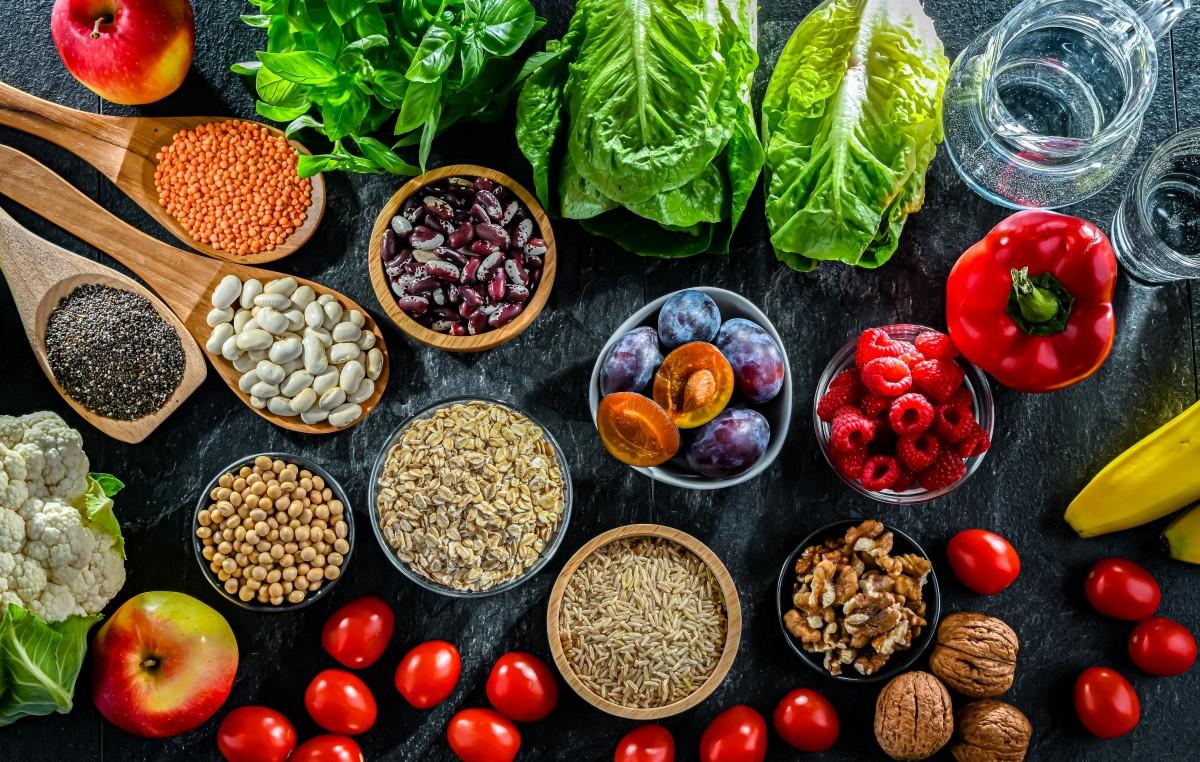
Many affordable everyday foods provide dietary fiber. For Indian households, pulses, whole grains, seasonal vegetables, and whole fruits can be practical options.

1. Lentils and dals
Moong dal, masoor dal, chana dal, and other pulses provide fiber, plant protein, and important minerals. Combining dal with vegetables and a suitable portion of whole grains makes a nutritious everyday meal.

2. Chickpeas, beans, and rajma
These foods supply fiber and protein, supporting fullness and overall diet quality. Soaking dried beans and cooking them thoroughly can improve texture and digestibility.

3. Oats and barley
Both contain beta-glucan, a soluble fiber associated with improvements in cholesterol and post-meal glucose responses. Choose plain varieties instead of heavily sweetened instant products.

4. Whole fruits
Guava, apples, pears, oranges, and other whole fruits supply fiber alongside vitamins and other beneficial plant compounds. Whole fruit is generally preferable to juice because juicing removes much of the fiber and makes it easier to consume a large quantity of fruit sugars quickly.

5. Vegetables
Green leafy vegetables, okra, carrots, cabbage, cauliflower, and green peas contribute fiber and essential micronutrients. Including vegetables in lunch and dinner is a simple way to improve overall meal quality.

6. Nuts and seeds
Flaxseeds, chia seeds, almonds, and peanuts contribute fiber and unsaturated fats. They are nutritious additions to meals, but moderate portions are appropriate because they are energy-dense.
These foods are consistent with established dietary guidance emphasizing legumes, whole fruits, vegetables, nuts, seeds, and whole grains.
7. How Much Fiber Should Adults Eat Every Day?
Fiber requirements depend on energy intake, age, sex, and individual health needs. One widely used guideline is approximately 14 grams of fiber per 1,000 calories consumed. The World Health Organization recommends at least 25 grams per day of naturally occurring dietary fiber for adults.
| Dietary goal | Practical guidance |
|---|---|
| Daily intake | Aim for at least 25 g as a general adult benchmark, adjusting to individual needs |
| Breakfast | Include oats, whole-grain options, fruit, or seeds |
| Lunch | Add dal, beans, vegetables, and whole grains |
| Snacks | Choose whole fruit or a small portion of nuts |
| Dinner | Include vegetables and a pulse-based dish |
| Hydration | Drink enough fluids, particularly when increasing fiber |
The goal is to increase fiber gradually rather than suddenly adding large amounts. People with digestive conditions or prescribed dietary restrictions may need individualized advice.
8. A Simple High-Fiber Indian Vegetarian Meal Plan
Illustrative one-day plan; portions should reflect individual energy needs and medical advice.

Breakfast
Vegetable oats porridge with a small portion of nuts or seeds.

Mid-morning snack
One serving of whole fruit, such as guava or an apple.

Lunch
Dal, whole-wheat roti or a measured serving of rice, cooked vegetables, and salad.

Evening snack
Roasted chana and water or unsweetened tea.

Dinner
Vegetable-rich moong dal khichdi with a side of cooked vegetables or salad, as tolerated.
This plan illustrates how fiber can be distributed across meals. It does not guarantee a particular daily fiber total or blood sugar response; quantities and recipes determine the final nutritional content.
9. What Does the Scientific Evidence Tell Us?
Research supports a role for fiber-rich foods in healthier dietary patterns, but several important distinctions should be kept in mind.
- Blood glucose: Clinical trials and systematic reviews suggest that some fiber interventions can improve fasting glucose, post-meal glucose, and HbA1c in people with type 2 diabetes. The magnitude of benefit varies.
- Cholesterol: Evidence supports benefits from certain viscous soluble fibers, particularly for lowering LDL cholesterol.
- Satiety and weight: Fiber-rich foods may improve fullness and assist weight management, but effects depend on the food, portion size, and overall diet.
- Gut health: Fermentable fibers can influence gut microbial activity, but individual responses differ and not all proposed metabolic benefits are conclusively established.
Future research could investigate which specific fibers are most effective for different populations, how gut microbiome differences influence glucose responses, and whether personalized fiber recommendations improve long-term outcomes.
10. Precautions and Common Mistakes
Increasing fiber is generally beneficial for healthy adults, but doing so without considering individual needs can cause discomfort.
Start by adding one or two fiber-rich foods to your regular meals and increase the amount gradually. Drink sufficient fluids, and pay attention to persistent bloating, abdominal pain, diarrhea, or constipation.
Do not assume that every product labelled “high fiber” is automatically healthy. Sweetened cereals, packaged snacks, and products containing substantial added sugar may provide fiber without being the best overall choice.
People taking diabetes medication should not reduce or discontinue prescribed treatment because they have increased their fiber intake. Dietary changes may influence glucose levels, so monitoring and clinician guidance are important, particularly for those using insulin or medications that can cause hypoglycemia.
Those with intestinal narrowing, certain gastrointestinal disorders, or specific medical dietary restrictions should seek individualized advice before substantially increasing fiber or using fiber supplements.
Conclusion
Dietary fiber is a valuable component of a balanced diet because it supports several interconnected aspects of health. Certain soluble fibers can slow glucose absorption and improve cholesterol levels, while a variety of plant foods can contribute to fullness, bowel regularity, and a healthier gut environment.
For many people, the most practical strategy is to eat more lentils, beans, vegetables, whole fruits, oats, and other whole grains rather than relying on supplements or expensive specialty products. Affordable Indian vegetarian meals can provide a strong foundation for this approach.
The key message from current research is that fiber works best as part of a consistent, balanced dietary pattern—not as a stand-alone treatment for high blood sugar. Individual needs, portion sizes, physical activity, medical conditions, and prescribed treatment all remain important.